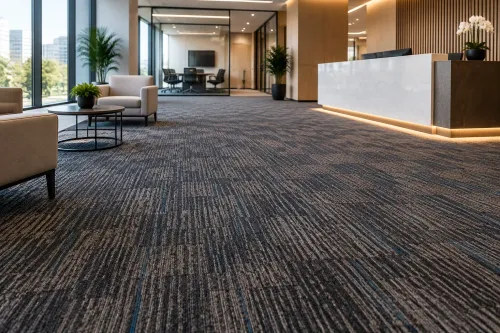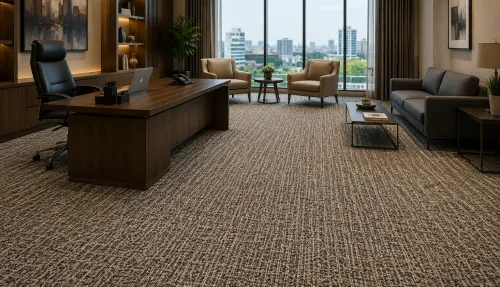
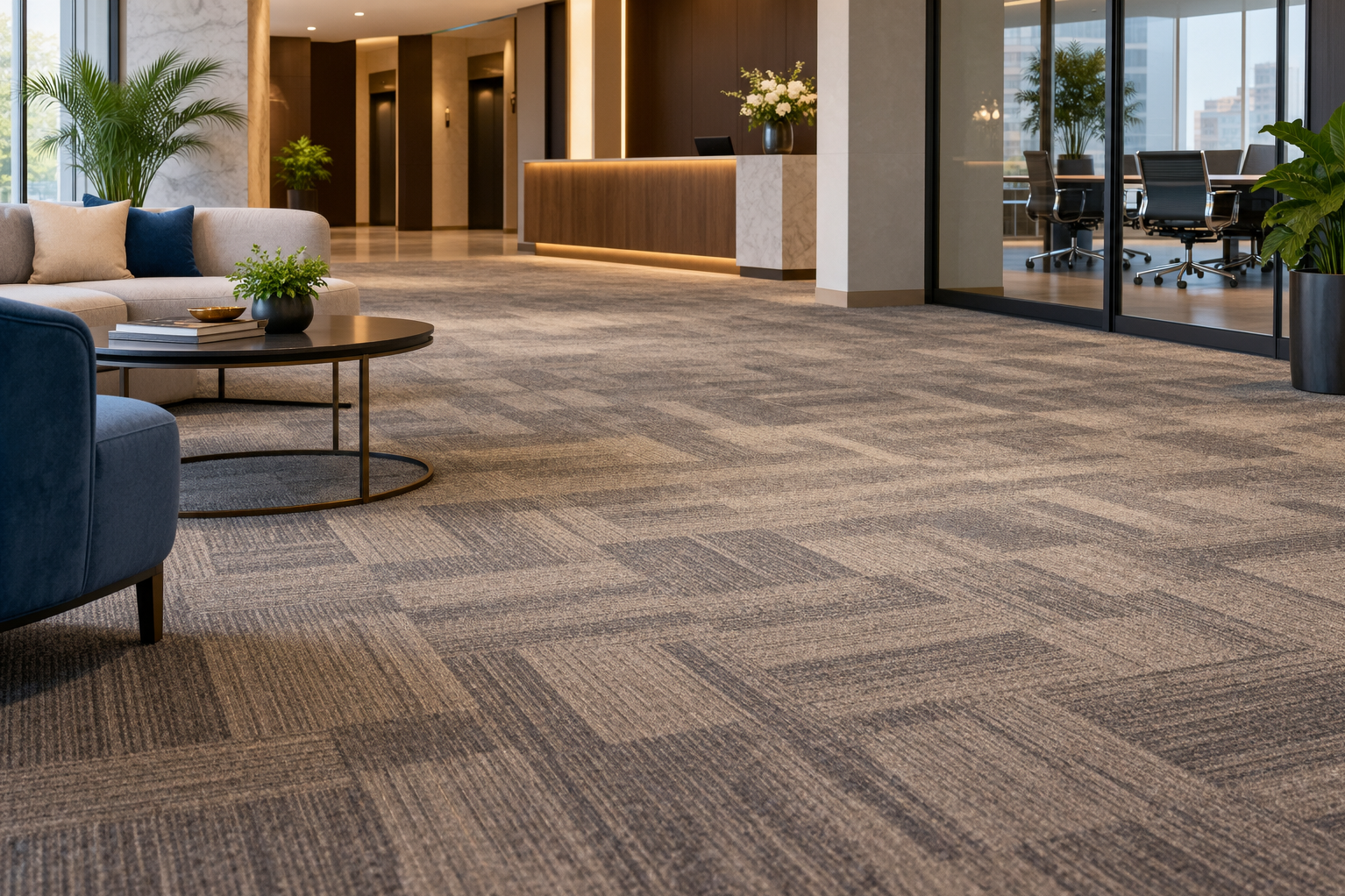
A Polyester Carpet may be considered when a commercial project requires a broad range of colours, a comfortable surface, and a synthetic carpet option that fits the design and procurement brief. The key is understanding where the carpet will be used before comparing quotations.
For procurement managers handling projects in Akola, Maharashtra, a structured selection process can prevent a common problem: choosing flooring on sample appearance and initial cost while overlooking traffic, maintenance, construction, and installation requirements.
Start With the Application
The same carpet specification does not need to be used throughout an entire property.
A hotel guest room, corporate cabin, lounge, meeting room, showroom, and circulation corridor each have different operational demands.
Begin by dividing the project into usage zones. Identify areas with relatively controlled traffic and areas exposed to continuous movement.
This allows the project team to decide where polyester carpet is appropriate and whether another flooring specification should be considered for particularly demanding zones.
Understand What You Are Comparing
When suppliers submit carpet options, compare equivalent specifications.
Do not assume that two products described simply as “polyester carpet” are interchangeable. Construction details can differ significantly.
Ask for information on:
- Fibre composition
- Carpet construction
- Pile characteristics
- Backing
- Available width or format
- Recommended application
- Installation requirements
- Cleaning guidance
This creates a clearer basis for commercial comparison.
Review Samples in the Actual Interior
Digital images are useful for shortlisting but should not be the only basis for final approval on a significant B2B order.
Colours can appear different under warm lighting, daylight, cool office lighting, or mixed illumination. Furniture and wall colours also change how a carpet shade is perceived.
If possible, place shortlisted samples in the intended environment before approval. Look at them from different directions because carpet pile can influence how light is reflected from the surface.
Plan for Cleaning From Day One
Maintenance requirements should be discussed during procurement rather than after handover.
In an office, for example, entrance zones and passages may accumulate more visible soil than enclosed cabins. In hospitality spaces, spill management may be a larger concern.
A practical maintenance programme could include routine vacuuming, prompt spot treatment, and periodic deeper cleaning according to the product and usage conditions.
The facility team's capabilities should therefore influence the final specification.
Consider Replacement and Future Matching
Large commercial interiors may undergo phased renovation. This raises an important procurement question: will additional flooring be needed later?
Exact colour matching across different manufacturing batches may not always be possible. If future replacement or extension is expected, discuss quantity planning and batch considerations before the original order is finalised.
Maintaining accurate records of product references and specifications also helps future procurement teams identify what was originally installed.
Avoid Selecting Only on Price Per Square Foot
Initial material price is important, but it does not represent the complete procurement decision.
Consider installation, floor preparation, wastage, maintenance, expected service conditions, and replacement implications. A lower-priced carpet that does not suit the intended area can create avoidable operational issues later.
Panipat Carpets supplies carpet solutions for buyers evaluating projects in markets including Akola. For procurement enquiries, sharing floor plans, quantities, application details, and expected usage can help make product discussions more specific.
A well-selected Polyester Carpet should fit the way the space will actually operate. When fibre choice is evaluated alongside construction, traffic, cleaning, aesthetics, installation, and project scheduling, procurement managers can make a more informed decision instead of treating carpet as a purely decorative line item.