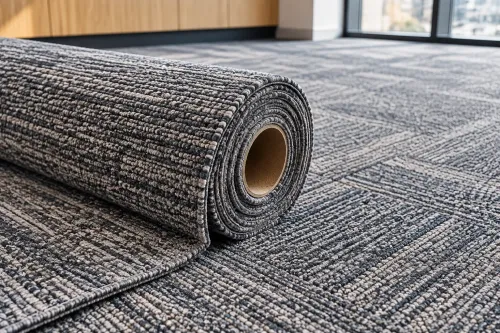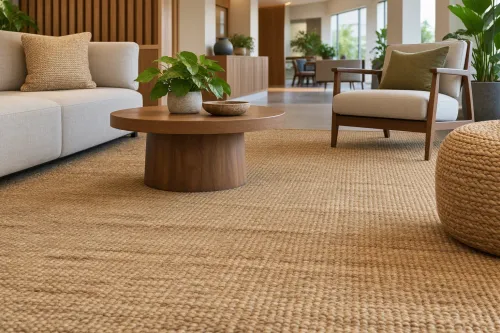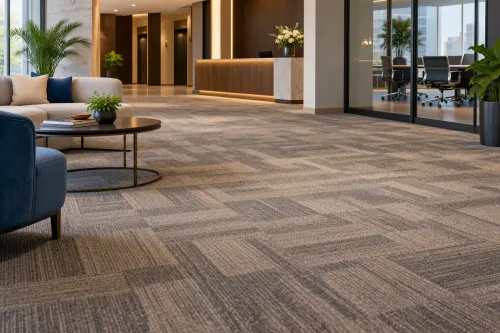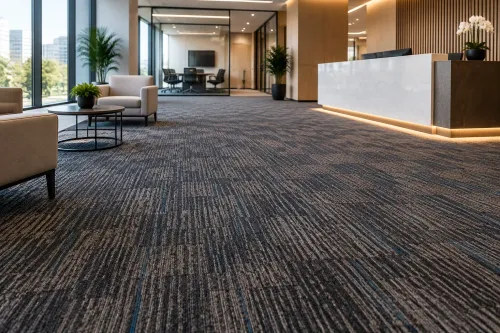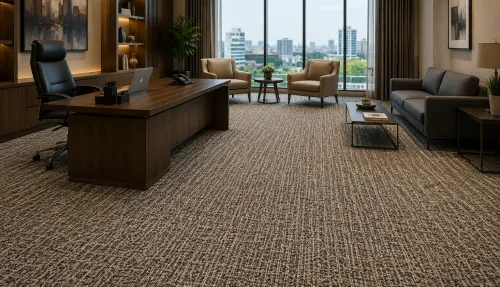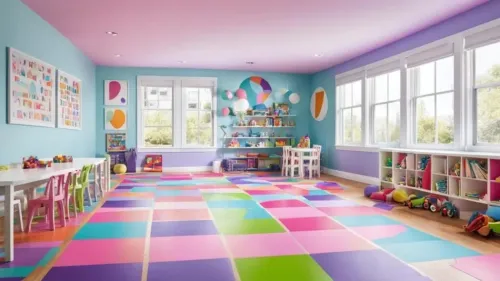
A carpet that feels luxurious underfoot can transform a room, but commercial procurement requires a broader perspective. Plush Carpet has a smooth, dense appearance that can suit particular interiors exceptionally well, while lower-profile constructions may be preferable where movement, cleaning, and frequent traffic dominate the specification.
For procurement teams planning commercial interiors in Amravati, Maharashtra, the choice should be based on where the carpet is going rather than on showroom appearance alone.
What Gives Plush Carpet Its Character?
Plush carpet generally has a relatively smooth, uniform surface created by closely arranged fibres.
This gives the floor a refined visual quality that can complement executive and hospitality interiors. The uninterrupted surface can also make colour appear rich and consistent.
That same smooth appearance means surface changes, footprints, or vacuum marks may be more noticeable on some constructions. Whether this matters depends on the desired aesthetic and the way the room is used.
Where Plush Carpet Can Be Considered
Plush styles may suit spaces such as:
- Executive cabins
- Premium meeting rooms
- Hotel guest rooms
- Private lounges
- Boardrooms
- Selected reception areas
- Low-to-moderate traffic formal spaces
The exact product should still be checked for its intended application.
A premium appearance does not automatically make a carpet appropriate for every commercial traffic condition.
How Lower Profile Options Differ
Lower-profile carpets can offer a more compact surface and may be considered where practical movement and frequent use are important.
Depending on construction, these carpets can work well in corridors, workstation areas, institutional spaces, or other operational environments.
Furniture movement and wheeled equipment should also be considered. The way chairs, trolleys, and other items move across flooring can influence which construction is appropriate.
Think in Zones Instead of Choosing One Carpet Everywhere
One of the most useful ways to improve commercial flooring procurement is to stop treating an entire property as a single usage environment.
An office project might use a more visually refined carpet in executive rooms and another suitable construction in general working areas.
A hotel could similarly have different requirements for rooms, corridors, lounges, and service spaces.
Zoning can help the project team align appearance and practicality without forcing one material to perform every function.
Maintenance Deserves Early Attention
Smooth, premium surfaces need maintenance that supports their intended appearance.
Before approval, ask what routine cleaning is recommended and how stains or spills should be managed.
In Amravati commercial properties, entrance management can also reduce the movement of outside dust into carpeted areas. Walk-off mats and planned vacuuming of circulation routes can form part of the maintenance strategy.
Compare Samples Under Real Conditions
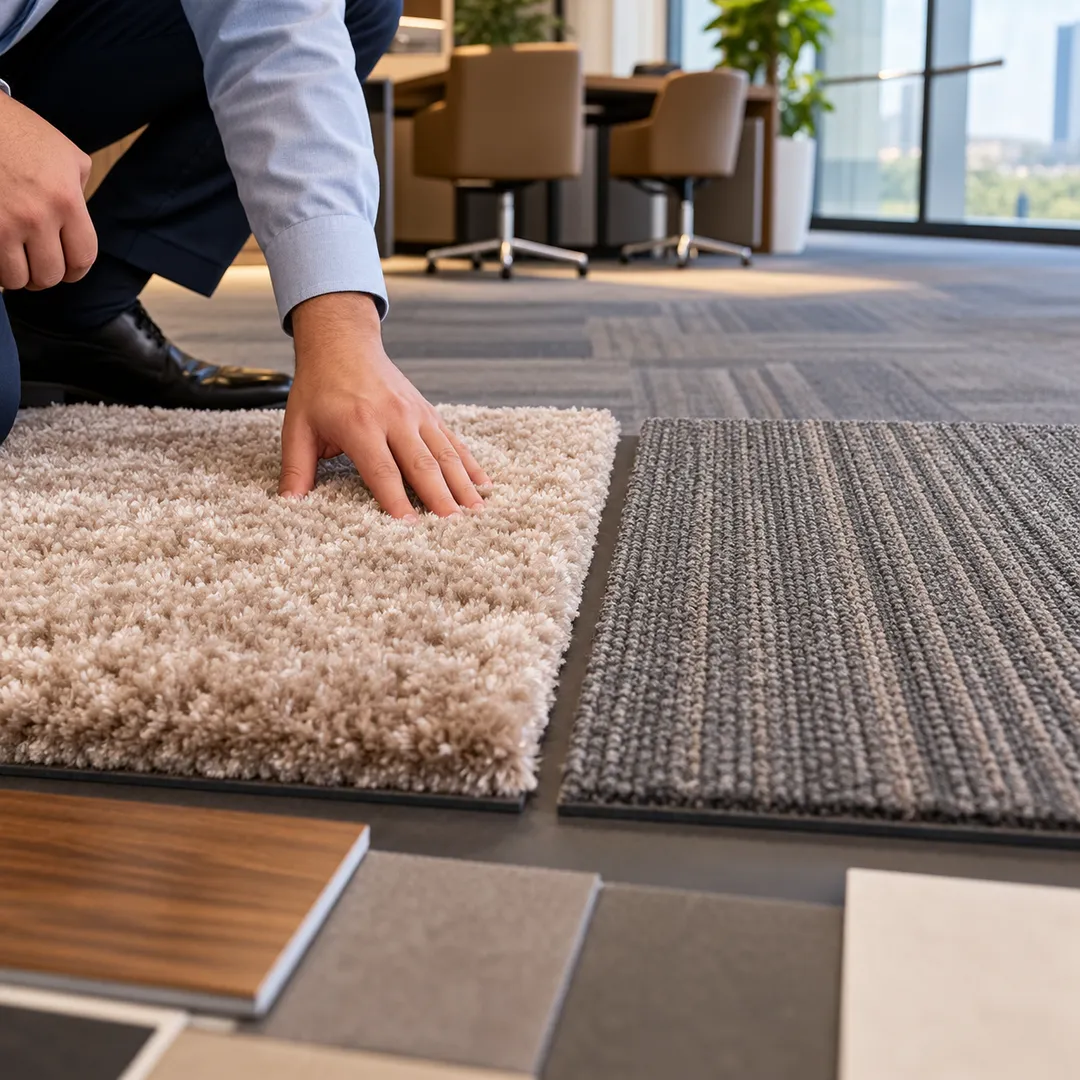
A plush carpet sample may look different depending on lighting direction and pile orientation.
Review it under the actual or planned lighting conditions. If the interior includes large windows, observe the sample in both daylight and artificial light.
Also place furniture and laminate samples beside it if available. This provides a more realistic sense of the completed interior.
Build a Complete Procurement Brief
Panipat Carpets can work with commercial carpet requirements for buyers in markets including Amravati. A useful enquiry should include the room type, approximate area, expected traffic, preferred appearance, project schedule, and any relevant installation constraints.
Rather than asking whether Plush Carpet is “better” than a low-profile carpet, ask where each construction adds the most value.
A formal executive room and a busy circulation area do not need identical flooring. Matching carpet construction to the function of each zone creates a more considered specification and can help procurement teams balance aesthetics, usability, and maintenance across the property.
Keywords