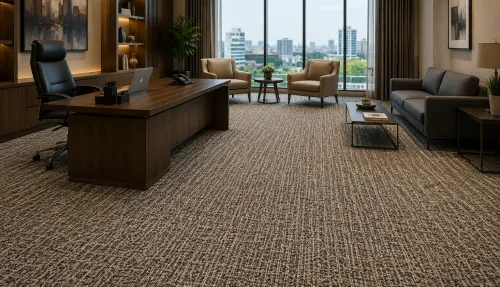
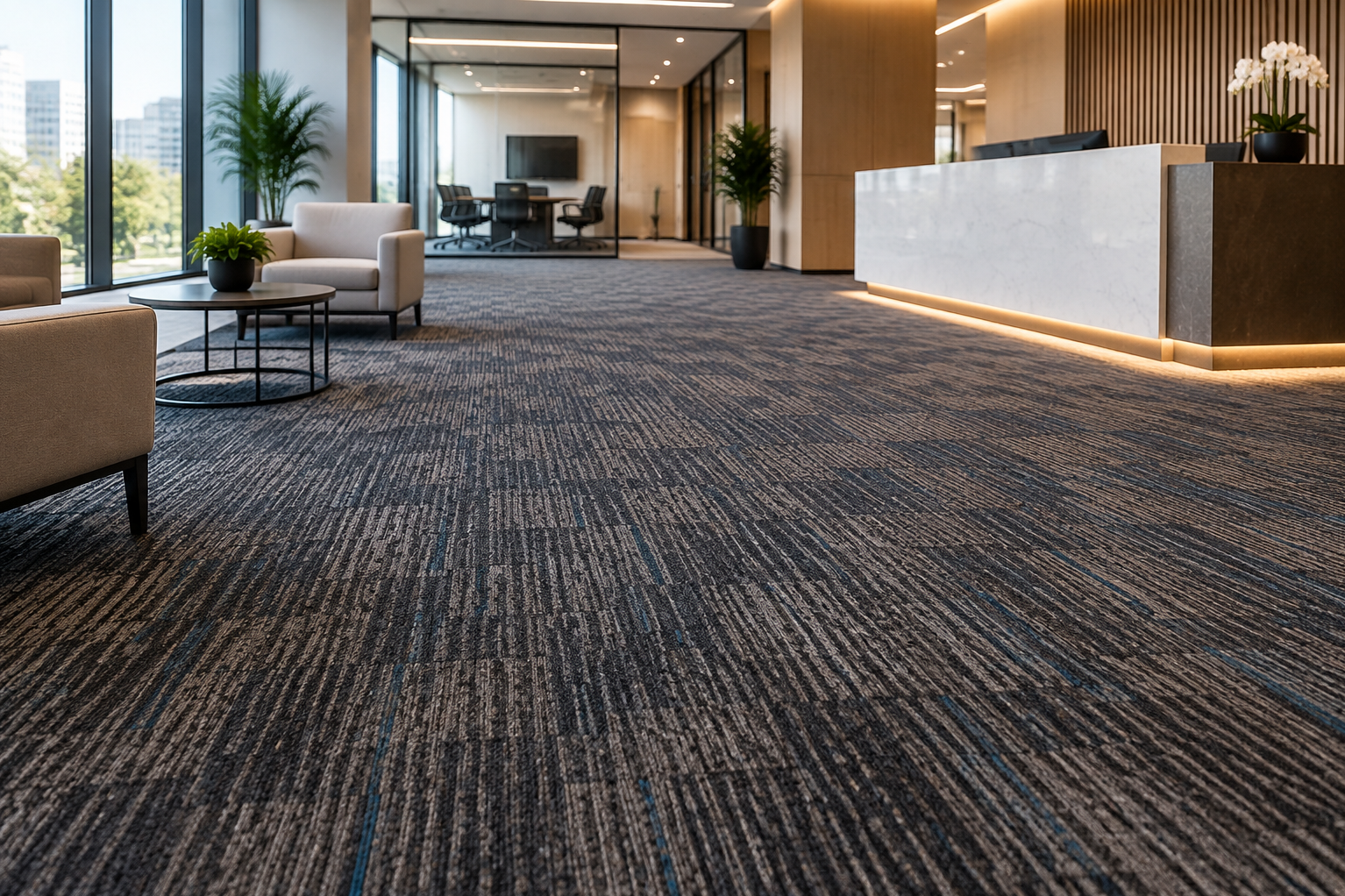
When flooring will be exposed to continuous movement, the first procurement question should not be “Which colour looks best?” It should be “What does this floor need to handle every day?”
That distinction is important when evaluating Nylon Carpet for commercial properties in Amravati, Maharashtra. Offices, hospitality properties, institutional buildings, retail premises, and common areas can experience concentrated traffic that quickly reveals whether flooring was properly specified.
Understanding Nylon Carpet
Nylon is a synthetic fibre widely used in carpet manufacturing. It is commonly considered for commercial applications because suitable constructions can offer a useful combination of resilience, appearance, and practicality.
Yet fibre type is only one part of performance.
A nylon carpet designed for a lightly used room cannot automatically be expected to perform like a product constructed specifically for busy commercial circulation areas. Pile construction, density, backing, installation, maintenance, and project conditions all matter.
Where Traffic Is Concentrated
Commercial foot traffic is rarely distributed evenly.
Certain areas receive substantially more use:
- Main entrances
- Reception approaches
- Corridors
- Lift lobbies
- Meeting-room access points
- Workstation aisles
- Hotel circulation areas
- Frequently used doorways
These zones should influence flooring selection because they may show wear or soiling earlier than surrounding areas.
Procurement managers can improve specifications by mapping these traffic patterns before requesting carpet options.
Consider the Entire Flooring System
Carpet selection should include more than the visible pile.
Ask about backing, installation method, floor preparation, joining requirements, and transitions to neighbouring surfaces. Poor substrate preparation or unsuitable installation can undermine an otherwise appropriate carpet.
If the project includes different flooring materials, transitions between carpet, vinyl, tile, stone, or other surfaces also need to be planned carefully.
Maintenance Can Influence Product Choice
A carpet used in a commercial building needs a realistic cleaning programme.
Routine vacuuming helps manage loose soil, while prompt attention to spills can reduce the likelihood of persistent marks. Periodic deeper cleaning may also form part of the maintenance schedule depending on traffic and site conditions.
For properties in Amravati, dust carried in from outdoor areas may be an important operational consideration. Effective entrance matting and regular cleaning of high-use zones can help reduce the amount of soil travelling through the premises.
Choose Appearance With Usage in Mind
Commercial interiors often require a balance between branding and practicality.
Solid light colours may suit a design concept but can demand more attention in busy areas. Patterned or textured visual effects can sometimes make day-to-day appearance easier to manage.
Procurement teams should therefore review colour and pattern under realistic lighting and alongside the furniture, partitions, wall finishes, and other materials planned for the project.
Questions to Ask Before Procurement
Before approving a nylon carpet specification, confirm the basics:
- Is the product intended for the expected traffic level?
- What construction and backing are supplied?
- What installation method is recommended?
- Are physical samples available?
- What maintenance procedures are appropriate?
- Can the required quantity be supplied consistently?
- How should different batches or shades be managed?
- What lead time should be built into the project schedule?
Panipat Carpets can be considered by procurement teams evaluating carpet requirements for commercial projects across markets such as Amravati. Providing the manufacturer with project details early—including area, application, expected traffic, dimensions, and preferred aesthetic—helps narrow the discussion to relevant specifications.
A Nylon Carpet is not automatically the answer for every busy interior. Its suitability depends on how the product is made and where it will be installed. By starting with traffic patterns and operational needs, procurement managers can make flooring decisions based on actual performance requirements rather than appearance alone.